


LDPE recycling is one of the most important types of recycling because LDPE is a material with high demand, fetching rebates of several hundred pounds per tonne in volume. The answer to the question “Can LDPE be recycled?” is a resounding Yes!
What is LDPE?
LDPE or low density polyethylene, is used for making containers, bottles & plastic bags. It is often used by the food packaging industry because of its pliability. Its properties mean that it is:
- Pliable
- Tough
- Flexible
- Corrosion-resistant
- Waxy on the surface
- Soft (easily scratched)
And that it has:
- A low melting point
- Stable electrical properties
- Good moisture barrier properties
- Good transparency
mean it is pliable and that it is corrosion-resistant.
Common LDPE Waste Types
Customers that use LDPE commonly have it in a number of forms:
- Clear film
- Coloured or ‘jazz’ film
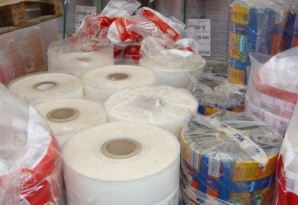
- Printed film on reels (this is usually production scrap)
- Bubble wrap
- Lump production scrap
These different types of waste have different values because of the different processes they can go into and because of what they can recycle back to (coloured LDPE can only be recycled into black LDPE and this limits its market).
Does LDPE Have a Value?
LDPE can be an extremely valuable material and recyclers will be interested in purchasing it in bulk amounts.
It is strange to note that a US government report stated that only 5.7% of LDPE was recycled as, here in the UK, LDPE can command rebates that can add to the bottom line of a business.
Preparing LDPE for Sale
In order to gain the best value from the LDPE a business has to offer, it is best segregated in the following ways:
- Clear lump waste kept separately from coloured lump waste
- Clear film waste kept separately from coloured film waste
- Spare stock kept on reels
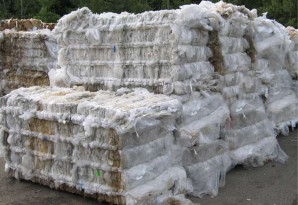
- Loose LDPE should be baled using a recycling baler in order to minimise the transportation costs associated with recycling LDPE